
Fri, 20 Mar 2026
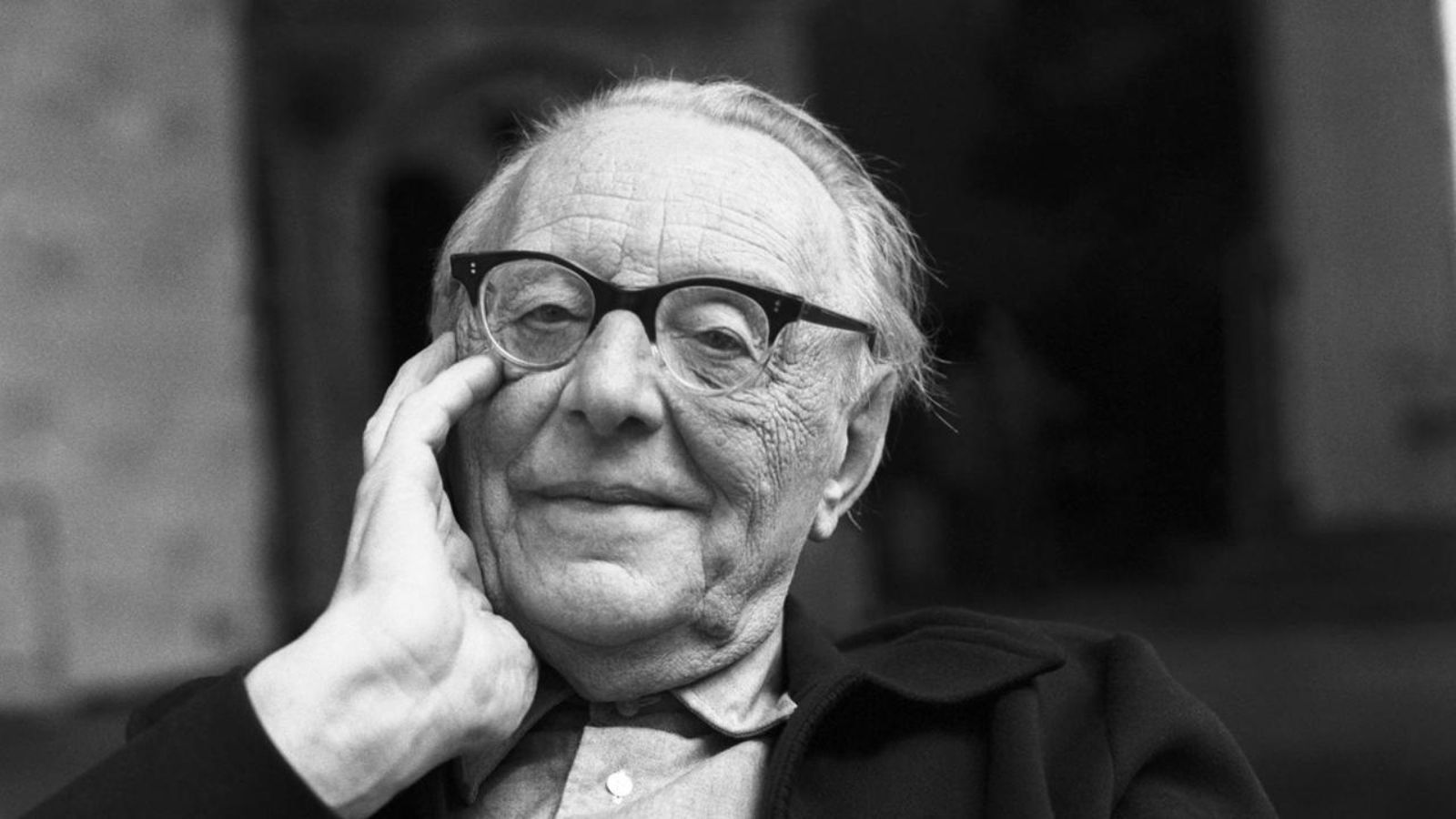
130 years of Carl Orff: the man behind the thunderous Carmina Burana
Carl Orff believed in immediate impact rather than virtuosity. Carmina Burana, raw, rhythmic and physical, proves it. Live this spring, bigger than ever.
By Music Hall editorial team · Editorial team
Share
Share this article
Related show
Carmina Burana
This article is about Carmina Burana. Visit the show page or explore the dates below.
On 10 July 1895, a child was born in Munich who would change the world of music for good. Carl Orff grew up in a musical family, began composing early and developed into a composer who followed his own path against the current.
His name may sound like that of a dusty classical composer. His music is anything but.
Who was Carl Orff?
Orff was a visionary who believed music was more than notes on a page. To him, it was a complete experience of sound, rhythm, movement and language woven together. That conviction led to the Orff-Schulwerk, a method of music education still used in primary schools and music academies worldwide. Playful, expressive and accessible to everyone.
His name truly became immortal when, in Frankfurt in 1937, he presented a work that made an explosive impact: Carmina Burana.
A cantata based on medieval texts, raw and sensual, rhythmic and rousing. No delicate romanticism, but elemental music. The audience felt it immediately, not only in their minds but in their bodies.
Orff died in 1982. His music still sounds just as loud.
Carmina Burana: what makes it so special?
Carmina Burana is not a classical work in the traditional sense. It is an explosion of power.
The texts date from the eleventh to the thirteenth centuries and were written by travelling students, monks and poets. These are not religious hymns but rebellious, earthy songs about drinking, desire, mortality, love and longing. Themes as recognisable today as they were then.
And then there is the music. Rhythmic, direct, almost physical. Orff chose impact over virtuosity or decoration: percussion, eruptions of choral sound and captivating melodies that refuse to let go.
The structure follows the Rota Fortunae, the wheel of fortune. People rise and fall. O Fortuna, the opening and closing scene, embodies that endless cycle. You probably already know it from Excalibur, The X Factor, countless trailers and sporting events. But live, with the full ensemble, it is an entirely different experience. Raw. Sacred. Goosebumps from beginning to end.
Live in 2026: bigger than ever
To mark Orff’s 130th birthday, Music Hall brings a monumental performance to Antwerp, Ghent and Brussels in spring 2026. Led by conductor Paul Dinneweth, more than 200 performers take the stage:
- The boys’ choir Flanders Boys Choir
- The mixed choir Chorale
- Three leading soloists: Joris Derder (baritone), Laurens-Alexander Wyns (tenor) and Klara Vermeer (soprano)
- The symphony orchestra La Passione
The evening also opens with another masterpiece: Maurice Ravel’s Bolero. A hypnotic crescendo that gradually builds towards the moment Carmina Burana bursts forth. Two timeless works, one electrifying evening.
And you can see it all on just three occasions.